Cold-Chain, Warehousing, and Bulk Additive Logistics for Remote Basins
Remote basin logistics can make or break an additive program long before the first stage is pumped. For enzyme breaker programs, the commercial question is not only whether the chemistry fits the fracturing-fluid design. It is whether the product can arrive in usable condition, be stored without unnecessary exposure, transfer cleanly into the field blend system, and support the breaker timing the operator expects.
FracTide Labs supports oilfield chemical service companies that need an enzyme breaker supplier for oilfield fluids with a practical supply model: formulation fit, controlled handling guidance, basin inventory planning, and field validation support without asking product managers to redesign their entire logistics network.
This article is written for logistics providers, chemical warehousing companies, basin supply-chain consultants, and procurement teams building reliable additive programs in remote operating areas.
Why Logistics Discipline Matters for Enzyme Breakers
Enzyme breakers are selected because they can help reduce fluid viscosity in a controlled way under defined operating windows. That value depends on the additive staying within a reasonable storage and handling envelope from manufacturing through final field dosing.
Poor logistics can create avoidable variability:
- Excessive heat exposure during staging or transport
- Long dwell times at transload yards without rotation discipline
- Unclear custody between supplier, warehouse, carrier, and field crew
- Bulk transfer contamination from shared hoses, totes, pumps, or tanks
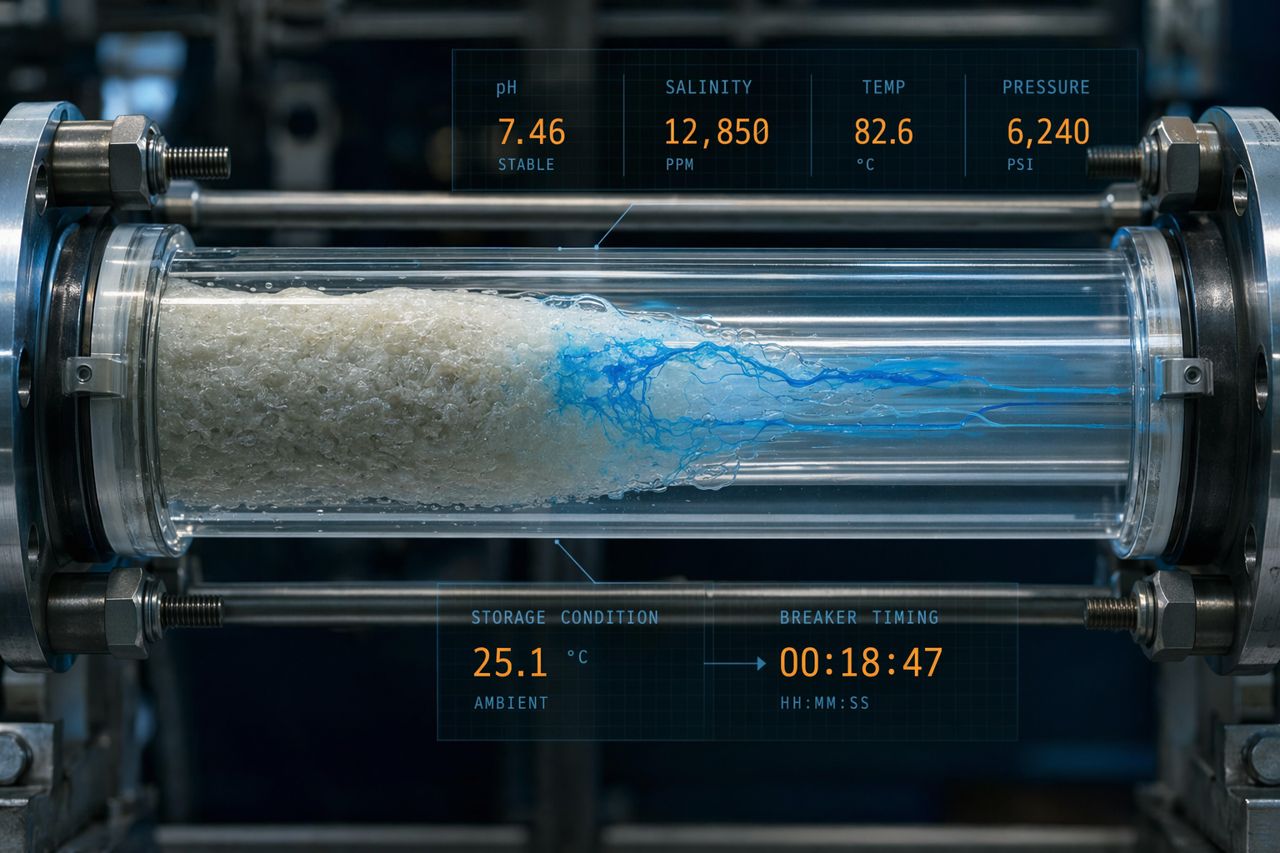
- Mismatch between planned breaker timing and actual basin storage conditions
- Emergency spot buys that bypass compatibility and field-readiness review
For chemical suppliers, the cost is not only replacement product. It can show up as delayed jobs, tighter inventory buffers, customer complaints, and loss of confidence in a breaker package that may have been sound at the formulation level.
Define the Basin Operating Window Before Setting the Logistics Plan
A remote-basin supply plan should start with the fluid system and operating envelope, not the warehouse map.
Key questions include:
- Which base fluid system will the enzyme breaker support?
- What polymer package, crosslinking approach, pH environment, and salinity profile are expected?
- How much flexibility is required for breaker timing across pads and seasons?
- What exposure risk exists during linehaul, last-mile transport, and on-pad staging?
- Will the product move as drums, totes, returnable bulk containers, or dedicated bulk tankers?
- Are multiple service companies or depots drawing from the same inventory pool?
These answers determine how tight the storage controls need to be, how close inventory should be placed to the basin, and what packaging format makes commercial sense.
Cold-Chain Does Not Always Mean Refrigeration Everywhere
In oilfield logistics, cold-chain is often used as shorthand for temperature-controlled discipline. For enzyme breaker additives, the right approach is usually a practical exposure-control program rather than an expensive assumption that every mile must be refrigerated.
A workable program may include:
- Protected storage at the manufacturing or regional staging point
- Temperature-aware carrier selection for long hauls
- Avoidance of parked trailers in extreme heat where possible
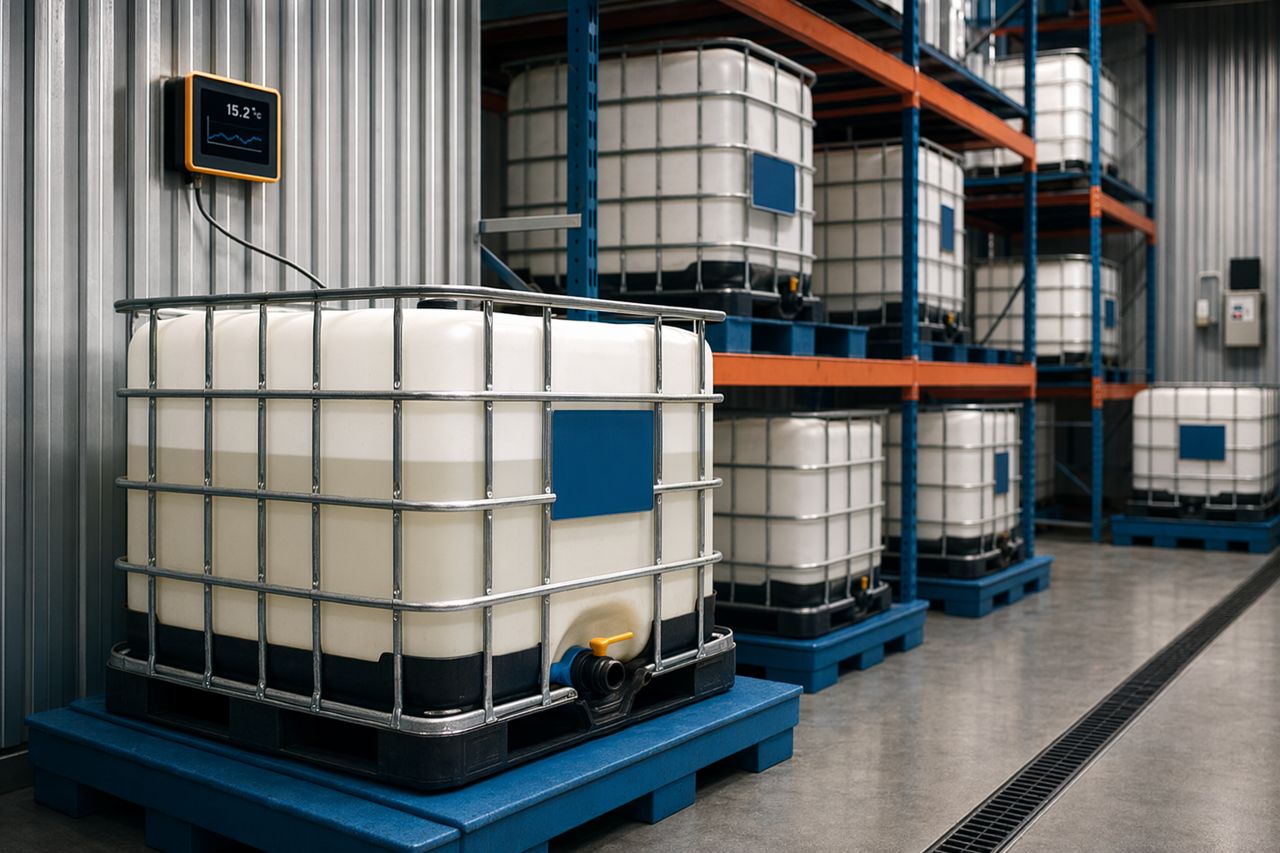
- Covered or controlled basin warehousing
- Time limits for outdoor staging near the pad
- Rotation rules that prevent older lots from sitting behind newer shipments
- Clear receiving checks and documentation at each custody handoff
The goal is repeatable product condition, not overbuilt logistics. FracTide Labs helps customers align storage expectations with the specific enzyme breaker formulation, target application, packaging format, and expected dwell time.
Basin Warehousing: What to Look For
A basin warehouse handling enzyme breaker additives should be evaluated like a controlled chemical node, not a passive storage shed.
Practical requirements
- Segregated storage for oilfield chemicals with clear product identification
- Protection from unnecessary heat, direct sun, and weather exposure
- Spill containment and housekeeping appropriate for liquid additives
- Lot-level receiving, release, and shipment records
- First-expiring, first-out or first-in, first-out rotation procedures as appropriate
- Clean transfer equipment or dedicated connections for bulk handling
- Written procedures for damaged containers, partial totes, and returned product
- Ability to stage urgent shipments without losing traceability
Commercial requirements
- Transparent inventory visibility for supplier and customer teams
- Defined cut-off times for same-day dispatch into the basin
- Documented custody handoffs to carriers and service companies
- Capacity to support campaign-driven demand spikes
- Clear responsibilities for storage exceptions and corrective action
For remote basins, warehousing quality directly affects service reliability. A lower-cost depot can become expensive if it creates product exposure, shipment confusion, or late-stage shortages.
Bulk Additive Logistics: Packaging Strategy Matters
Bulk logistics should be designed around usage pattern and field infrastructure.
Drums
Drums can work for trial volumes, smaller programs, and locations where field infrastructure is limited. They provide flexibility but increase handling steps, empty container management, and the risk of staging errors when multiple additives are present.
Totes
Totes are often a practical middle ground for basin distribution. They reduce handling compared with drums and can be staged more efficiently at warehouses and service-company yards. The key controls are tote integrity, labeling, transfer cleanliness, and protection from unnecessary exposure.
Dedicated bulk containers or tankers
Dedicated bulk formats can support high-volume campaigns and reduce packaging waste. They require tighter coordination between supplier, carrier, warehouse, and field blending teams. Dedicated equipment, clean transfer lines, and documented custody become more important.
The right answer may change by basin, season, customer, and stage count. FracTide Labs works with product and operations teams to match packaging strategy to the expected demand profile and handling reality.
Inventory Planning for Remote Basins
Remote-basin inventory planning is a balance between service reliability and product dwell time. Too little inventory increases hot-shot freight, stockout risk, and pressure to substitute. Too much inventory creates longer storage periods and ties up working capital.
A practical planning model should consider:
- Forecasted stage count and treatment schedule
- Seasonal access constraints and road restrictions
- Carrier availability and typical transit variability
- Warehouse receiving capacity and operating hours
- Customer-specific fluid programs and additive compatibility needs
- Safety stock based on realistic demand volatility
- Shelf-life management and lot rotation discipline
- Lead time for manufacturing, release, and transportation
The best plans use rolling forecasts. Product managers should not wait for a basin to be short before aligning replenishment. Logistics teams should not build static inventory buffers without understanding formulation sensitivity, demand timing, and customer commitments.
Field Validation and Custody Discipline
A reliable enzyme breaker program needs a simple chain of confidence:
- The additive is formulated for the target fluid system and operating window.
- The product is manufactured and released with lot traceability.
- The shipment is handled within agreed storage and transport expectations.
- The warehouse maintains rotation and custody records.
- The field team receives the correct product in usable condition.
- Performance feedback is captured and reviewed against the actual job design.
When performance questions arise, custody discipline helps separate formulation issues from handling issues, design changes, water-quality shifts, or job execution differences.
That matters commercially. A supplier that can provide both chemistry support and logistics clarity is easier for service companies to specify across multiple basins.
Compatibility With Common Fracturing-Fluid Systems
Enzyme breaker additives should not be treated as universal drop-ins. Compatibility should be reviewed against the actual fracturing-fluid system, including polymer type, crosslinking approach, pH range, salinity profile, temperature exposure, and other additives in the package.
FracTide Labs supports compatibility review before commercial rollout. The objective is practical: help oilfield chemical suppliers understand where an enzyme breaker fits, where it may need adjustment, and where a different breaker strategy may be more appropriate.
This avoids overclaiming and reduces field surprises. It also gives procurement, logistics, and technical service teams a shared basis for product handling and deployment decisions.
Common Failure Points in Remote Basin Programs
Even strong products can be undermined by weak process. The most common preventable issues include:
- Product staged outdoors during heat events without time limits
- Mixed inventory from different lots without clear rotation
- Bulk transfer through equipment used for incompatible chemicals
- Warehouse teams lacking product-specific handling instructions
- Emergency reallocations between customers without updated paperwork
- Packaging formats chosen for freight savings but not field practicality
- Lack of feedback loop between job performance and storage history
These are management issues, not mysteries. They can be controlled with defined roles, simple documentation, and realistic basin planning.
What Chemical Service Companies Should Ask a Supplier
When evaluating an enzyme breaker supplier for oilfield fluids, product managers should ask operational questions as early as technical questions.
Useful questions include:
- What storage and handling envelope is recommended for this formulation?
- Which packaging formats are available for trial, ramp-up, and full program supply?
- How should product be rotated in a basin warehouse?
- What custody records are needed to support field troubleshooting?
- What compatibility inputs are required before a customer rollout?
- How are demand spikes, campaign schedules, and remote-basin replenishment handled?
- What support is available if field performance does not match the expected breaker timing?
The answers reveal whether the supplier understands oilfield execution or is only selling a chemical line item.
Building a Basin-Ready Additive Program
A strong remote-basin plan combines chemistry, storage, packaging, and field operations into one operating model.
For enzyme breaker programs, that means:
- Select the formulation around the fluid system and operating window
- Define practical temperature and storage controls before shipment
- Choose packaging that fits actual field handling
- Place inventory close enough to support service reliability
- Maintain lot-level traceability and rotation
- Train warehouse and field teams on product-specific handling
- Review performance feedback against both job design and logistics history
FracTide Labs is built for this kind of practical coordination. We support oilfield chemical suppliers that need controlled enzyme breaker solutions with credible logistics guidance, supply reliability, and field-oriented technical support.
Request a Quote
Planning a basin rollout, warehouse program, or bulk additive supply model? Use the on-site request a quote form to share your target fluid system, basin, packaging preference, expected demand profile, and operating window. FracTide Labs will help evaluate formulation fit, logistics requirements, and supply options for your program.